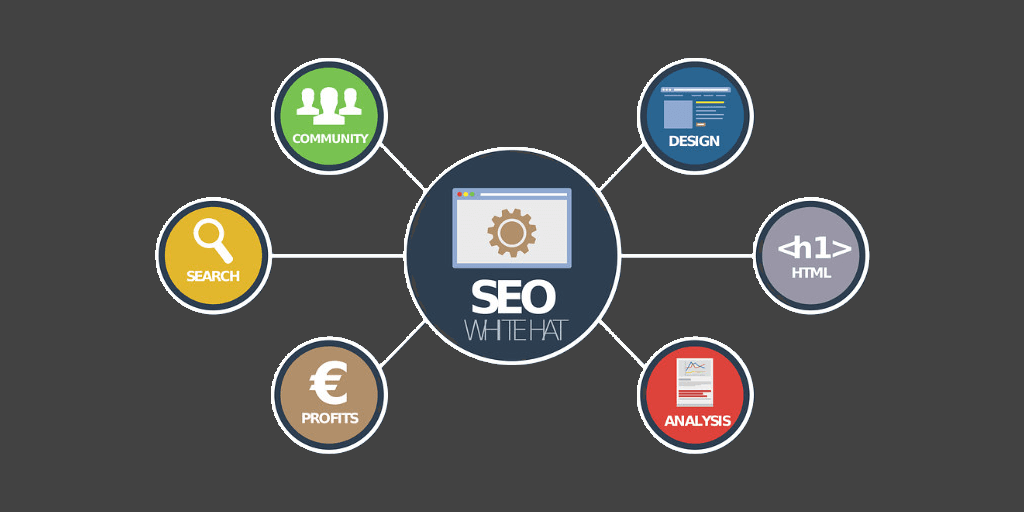
The full form of SEO is Search Engine Optimization. Search Engine Optimization (SEO) is the practice of optimizing web pages and technical architecture to rank higher in organic search engine results.
Quick Answer: SEO = Search Engine Optimization
What is the Full Form of SEO?
| Short Form | Full Form |
|---|---|
| SEO | Search Engine Optimization |
What is SEO?
Search Engine Optimization (SEO) is the process of optimizing web content and technical aspects of a website so search engines like Google, Bing, and DuckDuckGo rank it higher for relevant search queries.
When someone searches "best smartphone under 20000," Google decides which pages appear in the top results using over 200 ranking factors. SEO is the discipline of understanding and satisfying those factors.
Why it matters: 93% of online experiences begin with a search engine. The #1 Google result gets ~28% of all clicks; the #10 result gets less than 2%.
How Search Engines Work
Crawling
Search engine bots (Googlebot) constantly browse the web, discovering new and updated pages by following links.
Indexing
Discovered pages are analyzed - content, structure, metadata - and stored in the search engine's massive index (a database of billions of pages).
Ranking
When a user searches, the algorithm instantly scores all indexed pages against the query using hundreds of ranking signals and returns the best results.
Serving Results
The ranked list of pages - the SERP (Search Engine Results Page) - is displayed to the user within milliseconds.
The Three Pillars of SEO
1. On-Page SEO
Optimizing content and HTML elements on the page itself:
- Title tags - the clickable headline in search results
- Meta descriptions - the short summary below the title
- Header tags (H1, H2, H3) - structured content hierarchy
- Keyword optimization - natural placement of target keywords
- Content quality - depth, accuracy, originality, and E-E-A-T
- Internal linking - connecting related pages on your site
2. Off-Page SEO
Building authority and trust signals outside your website:
- Backlinks - other websites linking to yours (most important off-page factor)
- Domain authority - the overall trust score of your domain
- Brand mentions - unlinked citations still signal relevance
- Social signals - engagement on social platforms
3. Technical SEO
Ensuring search engines can efficiently crawl and index your site:
- Page speed - Core Web Vitals (LCP, FID, CLS)
- Mobile-friendliness - responsive design
- HTTPS - required for trust and ranking
- Sitemap.xml - helps bots discover all pages
- robots.txt - controls which pages bots can crawl
- Structured data - Schema markup for rich results
Key SEO Terms
| Term | Meaning |
|---|---|
| SERP | Search Engine Results Page |
| Keyword | The search term you're targeting |
| Backlink | A link from another site to yours |
| Organic traffic | Visitors from unpaid search results |
| CTR | Click-Through Rate - % users who click your result |
| Bounce rate | % visitors who leave without interacting |
| E-E-A-T | Experience, Expertise, Authoritativeness, Trustworthiness |
| Core Web Vitals | Google's page experience metrics |
SEO vs SEM vs PPC
| SEO | SEM | PPC | |
|---|---|---|---|
| Full Form | Search Engine Optimization | Search Engine Marketing | Pay Per Click |
| Cost | Free (time investment) | Paid + Organic | Paid per click |
| Speed | Slow (months) | Fast | Immediate |
| Longevity | Long-lasting | Short-term | Stops when budget ends |