
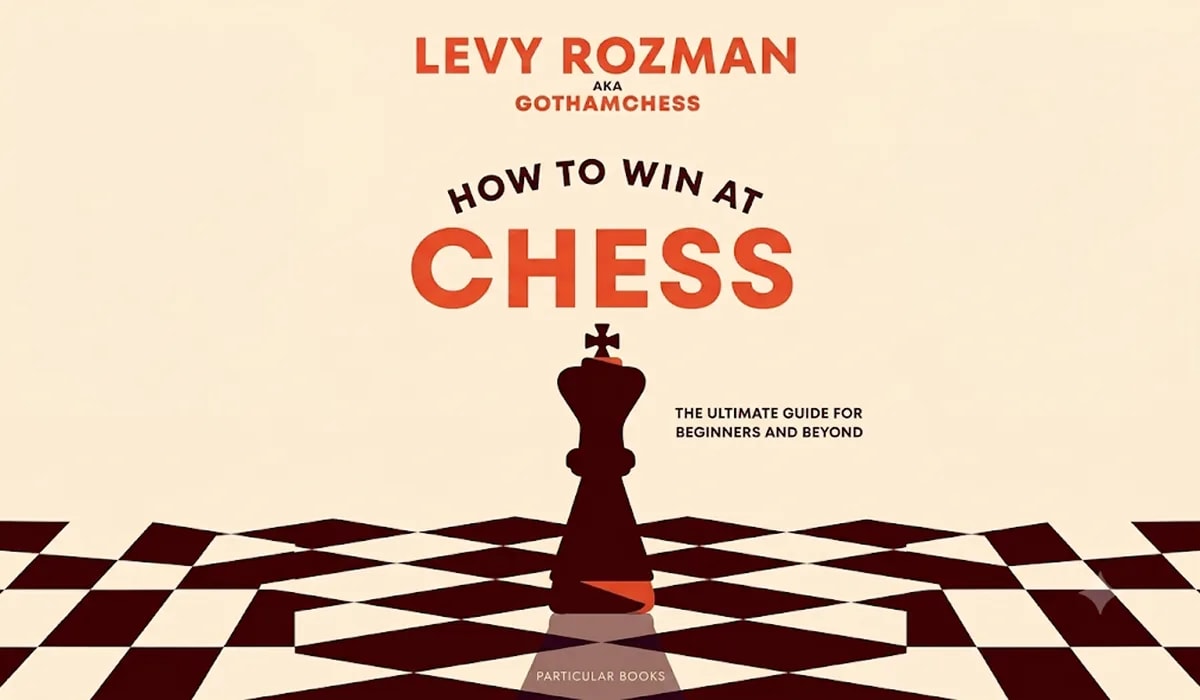
How to Win at Chess by Levy Rozman is one of the most accessible and practical chess training books for novices, casual players, and improvers rated below 1200 Elo. Instead of overwhelming readers with dense algebraic notations and dry grandmaster games, International Master Levy Rozman (GothamChess) delivers an entertaining, visual roadmap to master fundamentals, openings, tactics, and endgames.
Related Articles: Cool Google Search Tricks | Best Study Apps for Students | Android Tips and Tricks
Quick Verdict
- Best suited for absolute beginners and club players rated between 0 and 1200 Elo.
- Integrates scannable QR codes in every chapter that open interactive study boards and video solutions.
- Covers the complete progression: fundamental rules, opening setups, middle game tactics, and pawn endgames.
- Available legally through hardcover editions, Kindle ebooks, audiobooks, and public library borrowing apps like Libby.
What is How to Win at Chess by Levy Rozman
How to Win at Chess by Levy Rozman is an instructional beginner-to-intermediate chess guide designed to take players from zero to a 1200 Elo rating. It pairs clear strategic breakdowns with QR codes linking directly to interactive board drills on Chessly.
Published by Ten Speed Press, the book distills the teaching methodology that turned Rozman's GothamChess YouTube channel into the world's largest online chess community into an organized physical and digital manual.
Book specifications and publishing details
| Specification | Details |
|---|---|
| Book Title | How to Win at Chess: The Ultimate Guide for Beginners and Beyond |
| Author | Levy Rozman (International Master & GothamChess creator) |
| Publisher | Ten Speed Press (Penguin Random House) |
| Page Count | 272 pages |
| Recommended Rating Level | 0 to 1200 Elo (Chess.com / Lichess / FIDE) |
| Core Focus | Fundamentals, opening repertoires, tactical motifs, endgames |
| Available Formats | Hardcover, Ebook (Kindle / EPUB), Audiobook (Audible) |
Core curriculum and chapter breakdown
The book is arranged into sequential modules that build upon each other logically:
1. Board vision and piece fundamentals
The opening chapters introduce fundamental mechanics: board coordinates, legal moves, piece values, and king safety. Rozman explains why piece activity matters more than simply capturing material and details basic checkmating sequences including the ladder mate and queen-and-king mates.
2. Opening principles for White and Black
Rather than memorizing 20-move computer lines, Rozman presents reliable opening systems based on central pawn control, rapid piece development, and early castling. Key systems covered include:
- The Vienna Game and Italian Game for White.
- The Caro-Kann Defense and Scandinavian Defense for Black against 1.e4.
- Practical setups against 1.d4, including the Queen's Gambit Declined.
3. Tactical motifs and pattern recognition
Tactics decide over 80 percent of games below 1400 Elo. The middle chapters cover essential tactical building blocks:
- Forks: Attacking two enemy pieces simultaneously using knights and pawns.
- Pins and skewers: Restricting piece mobility and winning higher-value pieces along open ranks, files, and diagonals.
- Discovered attacks: Unleashing hidden threats by moving an intervening piece with tempo.
- Blunder checks: A mental checklist to run before every single move to stop gifting free pieces.
4. Endgame technique and converting advantages
The closing section focuses on simplifying winning positions into comfortable checkmates. Rozman breaks down pawn promotion paths, king opposition, rook activity, and avoiding accidental stalemates.
5. Interactive QR code integration
Each chapter features embedded QR codes. Scanning them with a smartphone camera redirects to custom interactive digital boards on Chessly, enabling readers to test variations and solve puzzles on their screens.
Strengths and limitations
Strengths
4 items- Written in an engaging, witty conversational voice that avoids academic jargon.
- Interactive QR codes bridge physical reading with hands-on digital board drills.
- Focuses squarely on high-yield opening principles and blunder avoidance for sub-1200 players.
- High-contrast diagrams make positions legible without requiring a physical board nearby.
Limitations
3 items- Offers limited value for advanced players rated above 1400 Elo.
- Covers opening theory at a introductory conceptual depth rather than deep master analysis.
- Physical hardcover can feel heavy to hold while simultaneously working through digital exercises.
Available formats, pricing, and legal reading options
Readers seeking to study How to Win at Chess have multiple authorized digital and physical channels:
| Format | Distributor | Estimated price | Best for |
|---|---|---|---|
| Hardcover Edition | Amazon, Barnes & Noble, local bookstores | $18 – $24 / ₹1,200 – ₹1,600 | Desk study, physical note-taking, and gifts |
| Ebook (Kindle / EPUB) | Amazon Kindle, Google Play Books, Apple Books | $12 – $15 / ₹750 – ₹950 | Reading on iPads, e-readers, and smartphones |
| Audiobook | Audible, Audiobooks.com | 1 Credit / Subscription | Listening to strategic philosophies and mindset tips |
| Public Library Ebook | Libby app, Hoopla, OverDrive | Free with valid library card | Borrowing digital EPUB or audio copies legally |
Avoid Pirated PDF and Free Download Scams
Searching for unauthorized free PDF downloads or modified EPUB files of copyrighted books frequently exposes users to dangerous cyber risks. Shady download portals often bundle executable malware, ransomware, adware extensions, and credential stealers within fake download buttons. Support the author and protect your device by borrowing through public library apps or purchasing genuine editions.
Final verdict: Who should read How to Win at Chess
How to Win at Chess delivers on its promise as an approachable, highly practical primer. If your online chess rating is under 1200 or you frequently blunder pieces in the opening and middle game, Levy Rozman's structured curriculum will help you clean up unforced errors and win more games consistently.
Advanced players rated 1500 and higher will find the material basic and should consider deeper tactical manuals like Silman's Complete Endgame Course or The Amateur's Mind. For beginners and casual enthusiasts, this book remains one of the best chess investments available today.